The Ultimate Guide to DHI Hair Transplant: The Future of Hair Restoration
If you have been researching ways to win the battle against hair loss, you have likely come across the term DHI hair transplant. It is often described as the “Gold Standard” or the “VIP” of hair restoration techniques. But what exactly makes it different from traditional methods, and why is it becoming the preferred choice for thousands of patients in 2026?
In this detailed guide, we will break down everything you need to know about the DHI (Direct Hair Implantation) method—from how it works to why it might be the best investment you ever make for your confidence.
1. What is a DHI Hair Transplant?
At its core, DHI hair transplant is a modernized version of the FUE (Follicular Unit Extraction) technique. In traditional FUE, a surgeon extracts follicles, creates tiny channels (incisions) in the balding area, and then places the follicles into those channels.
DHI changes the game by combining the “channel opening” and “implantation” phases into one single step. This is made possible by a specialized tool called the Choi Implanter Pen. Because of this, the hair follicles spend less time outside the body, which significantly increases their survival rate.
2. How is a DHI Hair Transplant Performed? (Step-by-Step)
Understanding the process helps demystify the surgery. A DHI hair transplant is a meticulous procedure that requires extreme precision. Here is how a typical day at the clinic looks:
Step 1: Consultation and Hairline Design
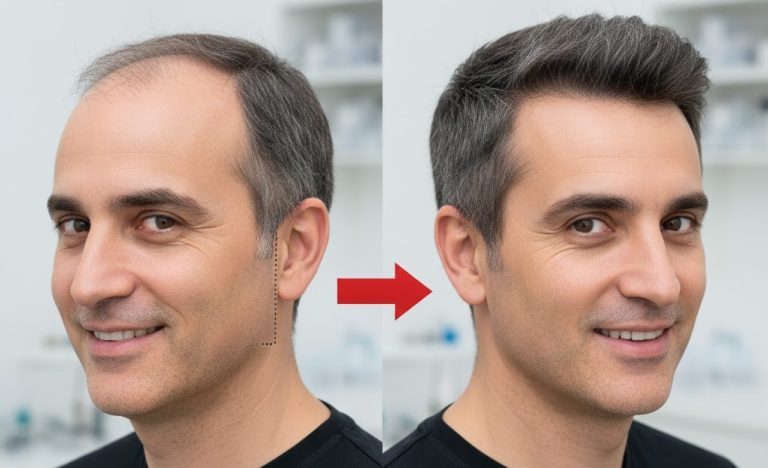
Before any medical work begins, you sit down with your specialist. This is where you use hair transplant simulation software to see your results. The doctor marks the donor area (usually the back of the head) and the recipient area.
Step 2: Local Anesthesia
To ensure you are comfortable and pain-free, local anesthesia is applied to both the donor and recipient areas. Many modern clinics now use “needle-free” anesthesia for a more pleasant experience.
Step 3: Extraction
Using a micro-motor, the surgeon carefully extracts individual hair follicles from the donor area. These follicles are cleaned and prepared in a special solution to keep them healthy.
Step 4: Loading the Choi Pen
This is where the magic happens. A technician or the surgeon loads the extracted follicles into the hollow needle of the Choi Implanter Pen.
Step 5: Direct Implantation
The surgeon uses the pen to simultaneously create a tiny hole and insert the follicle into the scalp. This allows for perfect control over the depth, angle, and direction of every single hair.
3. The Advantages of the DHI Method
Why do so many people opt for a DHI hair transplant despite it often being more expensive than traditional FUE? The benefits are hard to ignore:
- No Shaving Required: Unlike FUE, DHI often allows for “Unshaven Hair Transplants.” This is a huge plus for women or men who want to keep their existing hair long and hide the fact that they had surgery.
- Higher Density: Because the Choi pen is so thin, surgeons can place the hairs much closer together, resulting in a thicker, more natural look.
- Faster Healing: Since there are no large incisions or “pre-opened” channels, the trauma to the scalp is minimal. Most patients return to their normal routine much faster.
- Better Survival Rates: The less time a follicle spends outside the body, the better. In a DHI hair transplant, the “out-of-body” time is minimized to the extreme.
4. DHI vs. FUE: Which One is Right for You?
While both are excellent, they serve different needs.
| Feature | FUE Hair Transplant | DHI Hair Transplant |
| Tool | Forceps & Blade/Sapphire | Choi Implanter Pen |
| Channel Opening | Before implantation | Simultaneous |
| Max Grafts | Up to 5,000+ | Usually up to 3,500 |
| Shaving | Usually required | Often not required |
| Recovery | 7-10 days | 3-5 days |
If you need a very large number of grafts (for total baldness), FUE might be more efficient. However, if you want maximum density and a discreet recovery, a DHI hair transplant is almost always the better option.
5. What to Expect After the Procedure (Recovery)
The recovery after a DHI hair transplant is generally very smooth.
- Days 1-3: You may experience slight swelling. You will use a special headband to prevent this swelling from moving down to your eyes.
- Week 1: The tiny scabs at the implantation sites will begin to fall off.
- Month 1-3: You will experience “Shock Loss.” Don’t panic! This is normal. The transplanted hairs fall out so that new, permanent hair can grow from the roots.
- Month 6-12: This is when the transformation really shows. Your hair will get thicker and longer every day.
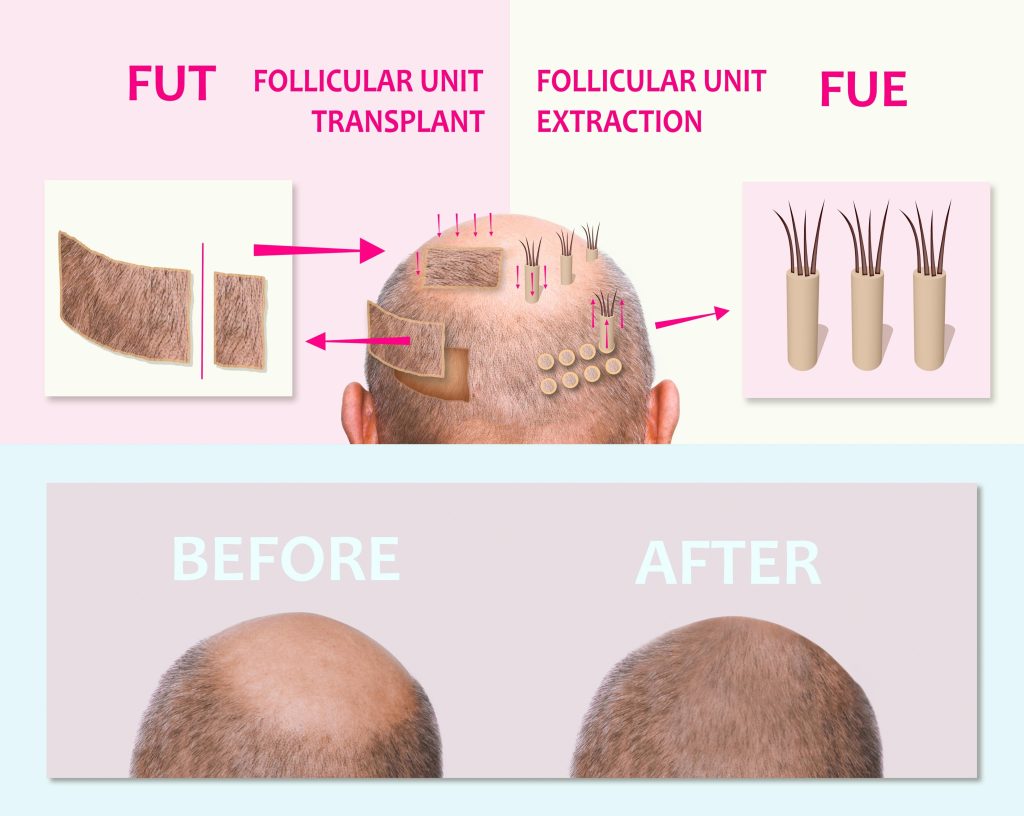
6. Is it Worth the Cost?
It is no secret that the DHI hair transplant price is often higher. This is because the procedure takes longer and requires a larger medical team (technicians have to load the pens constantly while the doctor implants).
However, when you consider the natural results and the fact that you may not have to shave your head, most patients find the investment completely worth it. It’s a permanent solution—once those hairs grow in, they are yours for life.
7. The Role of Technology in DHI
In 2026, we don’t just rely on the doctor’s eyes. We use AI-assisted planning. Before your DHI hair transplant, your surgeon can use software to calculate exactly how many follicles are needed per square centimeter to achieve the density you want. This level of precision ensures that no donor hair is wasted and the result is perfectly symmetrical.
8. Conclusion: Your Path to New Hair
A DHI hair transplant is more than just a medical procedure; it is a blend of art and science. By choosing this method, you are choosing the most advanced way to restore your hairline with minimal downtime and maximum naturalness.
Whether you are just starting to notice thinning or have been planning this for years, the DHI method offers a level of sophistication that was unimaginable a decade ago. It’s time to stop worrying about your hair and start enjoying the confidence that comes with a full, healthy mane.