
The Molecular Frontier: Personalized Approaches as the Best Hair Loss Treatment for Female Patients
The biological landscape of female alopecia is vastly different from that of men, requiring a shift from “broad-spectrum” solutions to “precision trichology.” In the clinical environment of 2026, we recognize that the best hair loss treatment for female thinning is rarely a single product; rather, it is a strategic orchestration of therapies designed to restore the follicular environment. Women’s hair follicles are sensitive to a broader array of systemic changes—from estrogen-to-progesterone ratios to the bioavailability of micronutrients like zinc and iron.
This scientific deep dive analyzes the efficacy of combined protocols, exploring how the latest advancements in biotechnology are providing more robust and permanent results for women experiencing diffuse thinning.
1. The Role of Hormonal Balancing in Follicular Longevity
For many women, the underlying cause of thinning is “hormonal miniaturization.” Unlike the aggressive recession seen in men, female hair loss often manifests as a widening part line due to the impact of androgens on a scalp with diminishing estrogen protection.
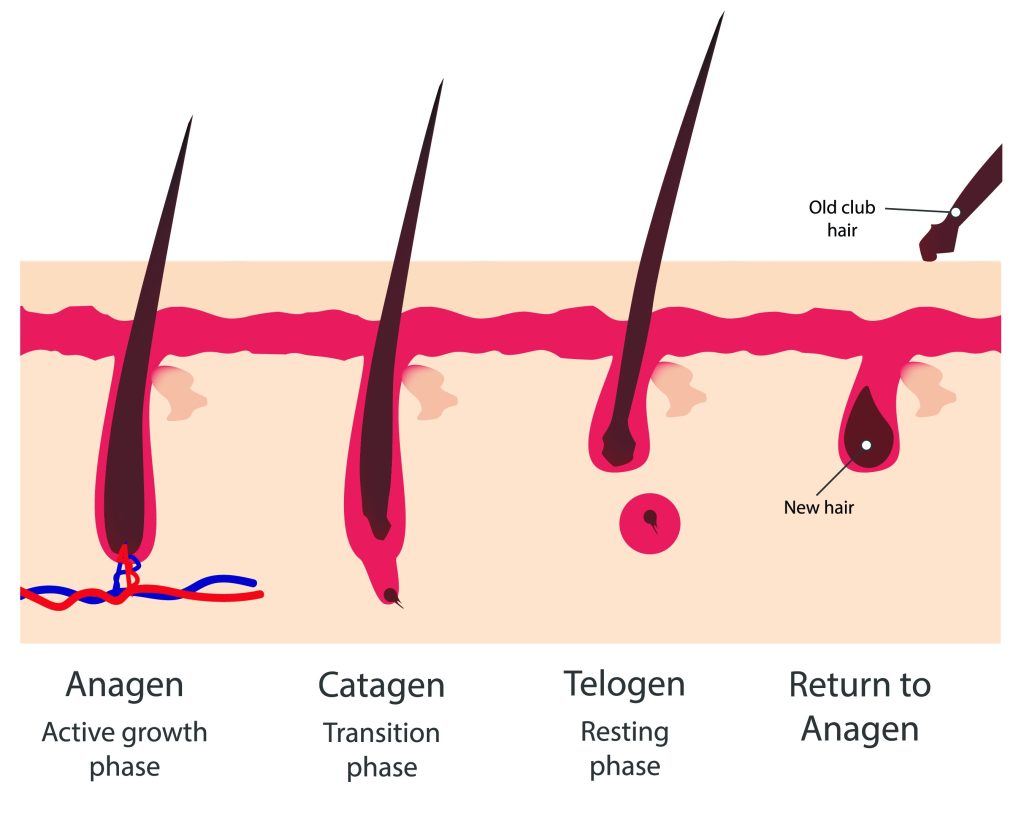
The best hair loss treatment for female patients in their perimenopausal or postmenopausal years often begins with stabilizing the endocrine system. Estrogen is naturally “trichogenic,” meaning it promotes the anagen (growth) phase. When estrogen levels drop, the hair follicle spends more time in the telogen (resting) phase. By utilizing bio-identical hormone replacement therapy (BHRT) in conjunction with topical anti-androgens, clinicians can effectively reverse the miniaturization process and restore the diameter of the individual hair shafts.
2. Advanced Vasodilation: The Evolution of Minoxidil
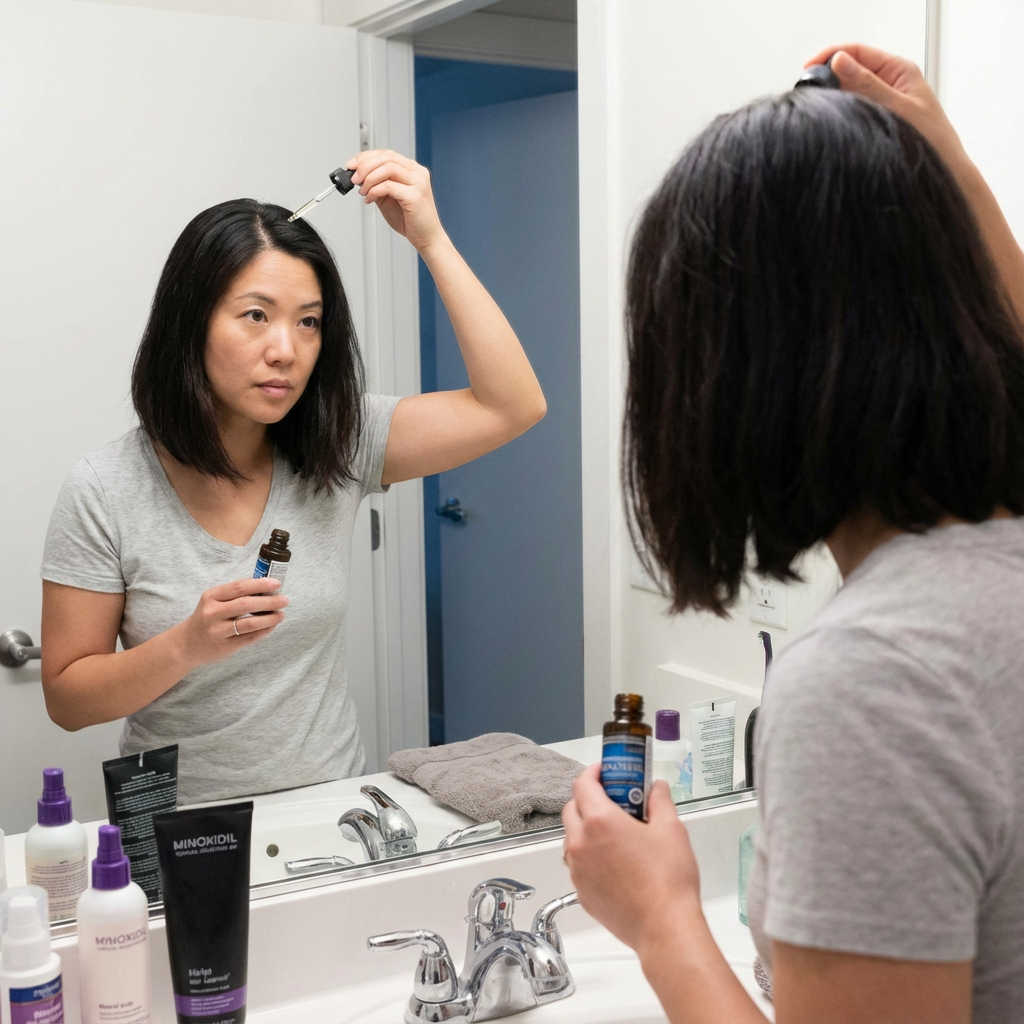
While Minoxidil has been a staple for decades, its application has been refined in 2026. One of the primary reasons it is cited as the best hair loss treatment for female patients is its ability to increase the synthesis of Prostaglandin E2, which encourages the follicle to produce thicker hair.
To increase efficacy, modern clinics now use “compounded formulas” that mix Minoxidil with Retinoic Acid. Retinoic acid increases the penetration of Minoxidil into the dermis and increases the expression of the enzyme “Sulfotransferase,” which is necessary to activate Minoxidil. This personalized compounding ensures that even “non-responders” can see a significant increase in hair density and scalp coverage.
3. Exosomes vs. PRP: The Battle of the Bio-Signals
Regenerative medicine has introduced two major players in the search for the best hair loss treatment for female thinning: Platelet-Rich Plasma (PRP) and Exosomes. While PRP uses the patient’s own growth factors, it is inherently limited by the patient’s health and age.
In 2026, Exosome therapy has emerged as the superior choice for female patients. Exosomes are the “messengers” of stem cells, carrying a specific cargo of microRNA and proteins that suppress the inflammatory signals leading to hair loss. For a woman with diffuse thinning, a series of exosome injections can provide a massive boost to the hair follicle stem cells (HFSCs), forcing dormant follicles back into the growth phase more consistently than traditional PRP.
4. DHI: The Aesthetic Gold Standard for Female Restoration
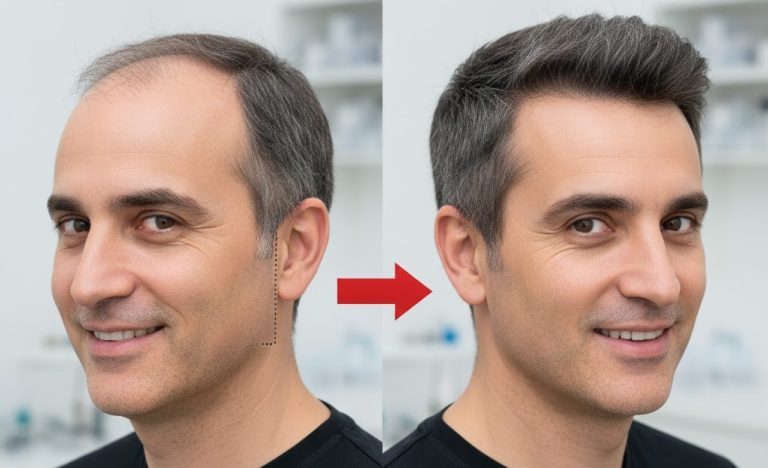
When medical therapies have reached their limit, surgical restoration provides a permanent solution. Direct Hair Implantation (DHI) is widely regarded as the best hair loss treatment for female cases requiring aesthetic hairline lowering or mid-scalp density.
The advantage of DHI lies in its “no-shave” capability. Most women are unwilling to shave their heads for a procedure; DHI allows the surgeon to harvest follicles from a hidden donor strip and implant them directly into the thinning areas using the Choi Implanter Pen. This tool provides 360-degree control over the angle of the hair, ensuring that the new grafts blend perfectly with the surrounding natural hair, creating a result that is both high-density and completely invisible to the eye.
5. The Micro-Nutritional Matrix: Ferritin and Vitamin D
A scientific investigation into the best hair loss treatment for female shedding must address the metabolic cost of hair production. The hair follicle is one of the most metabolically active tissues in the human body. If the body’s ferritin (iron storage) levels fall below 70-80 ng/mL, the brain signals the body to stop “non-essential” functions like hair growth to conserve oxygen for vital organs.
Clinical trichologists in 2026 prioritize a “nutritional biopsy,” checking levels of Vitamin D3, B12, and Zinc. Without these co-factors, even the most advanced surgical or chemical treatments will fail to produce long-term results. Therefore, high-dose, pharmaceutical-grade supplementation is often a non-negotiable part of a successful female hair restoration plan.
6. Photobiomodulation: Enhancing Mitochondrial Output
Low-Level Laser Therapy (LLLT) is often underestimated, but its biological impact is clear. By delivering 650nm red light to the scalp, LLLT stimulates the cytochrome c oxidase in the mitochondria of the hair cells. This leads to an increase in Adenosine Triphosphate (ATP)—the energy currency of the cell.
For women, LLLT is an excellent “maintenance” tool. When used as a supplementary treatment, it can enhance the results of surgical DHI or pharmacological Minoxidil. It is often the best hair loss treatment for female patients who want a non-invasive, drug-free way to keep their follicles in a high-energy growth state between clinical appointments.
7. Scalp Micro-Inflammation and Oxidative Stress
New research in 2026 has identified “micro-inflammation” as a silent killer of hair density in women. This inflammation is often caused by environmental pollutants, harsh chemical styling, or an imbalance in the scalp microbiome.
Addressing this inflammation is a critical step in finding the best hair loss treatment for female patients. Using antioxidants such as Melatonin (topically) or specialized probiotics for the scalp can neutralize reactive oxygen species (ROS). By calming the scalp’s immune response, we prevent the “fibrosis” (scarring) that can permanently shut down a hair follicle, ensuring that the scalp remains fertile ground for hair growth.
8. Conclusion: The Power of a Multi-Disciplinary Approach
In the quest for the best hair loss treatment for female patients, the science of 2026 is clear: success is found in the “stacking” of therapies. A woman who balances her hormones, optimizes her nutrition, utilizes regenerative exosome signals, and undergoes high-precision DHI surgery will see a transformation that far exceeds any single-modality treatment. By understanding the unique molecular pathways of female hair loss, we can move away from “hope” and toward “results,” giving every woman the opportunity to restore her hair density and her confidence through evidence-based science.