
Advanced Trichology: Decoding the Molecular Causes of Hair Loss and Treatment Methods
In the contemporary landscape of clinical dermatology, the management of alopecia has transitioned from traditional topical applications to a sophisticated understanding of molecular pathways. The human scalp, a complex ecosystem of vascular networks and hormonal receptors, is susceptible to a myriad of disruptions. To achieve a successful clinical outcome, medical professionals must categorize the various causes of hair loss and treatment methods through the lens of cellular regeneration and biochemical stability. This article aims to dissect the genomic and proteomic factors contributing to follicle miniaturization and evaluate the latest therapeutic paradigms of 2026.
1. The Genetic Blueprint of Follicular Miniaturization
The primary driver behind male and female pattern baldness is a genetic predisposition to androgen sensitivity. Specifically, the AR (androgen receptor) gene plays a pivotal role. When we analyze the causes of hair loss and treatment methods, we must first look at the enzyme 5-alpha-reductase, which resides in the outer root sheath of the hair follicle. This enzyme converts testosterone into dihydrotestosterone (DHT).
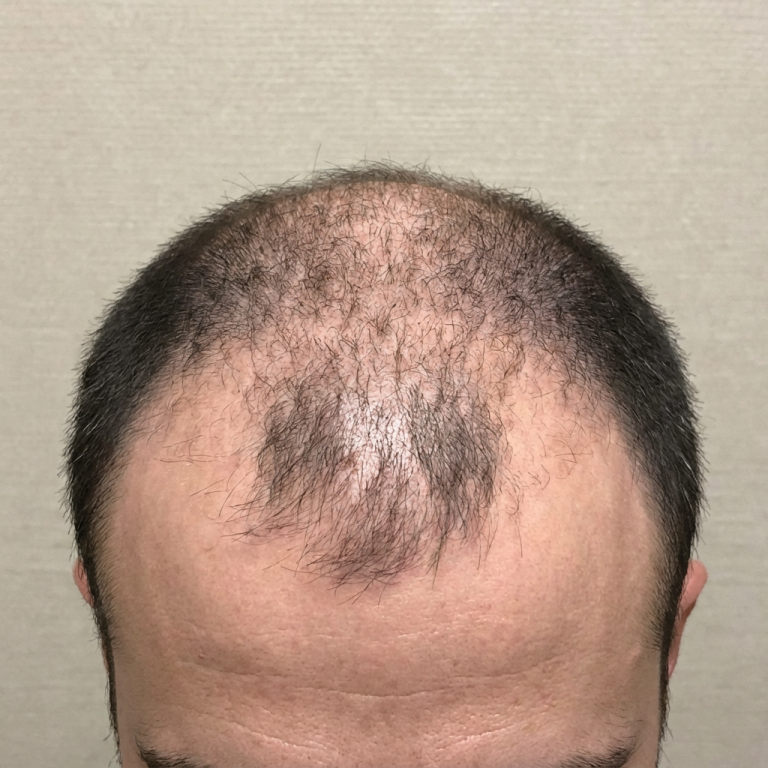
In sensitive follicles, DHT initiates a signaling cascade that downregulates growth factors like IGF-1 (Insulin-like Growth Factor) and upregulates TGF-beta (Transforming Growth Factor), which triggers premature entry into the catagen phase. This molecular shift leads to the progressive shrinking of the hair follicle until it can no longer produce a visible hair shaft—a process known as terminal-to-vellus transformation.
2. Nutritional and Metabolic Influences on Hair Cycles
While genetics provide the foundation, metabolic health dictates the rate of progression. A scientific overview of the causes of hair loss and treatment methods is incomplete without addressing micronutrient bioavailability. Iron, in the form of ferritin, is essential for the oxygenation of hair bulb cells. Similarly, Vitamin D3 acts as a hormone that modulates the hair cycle by binding to Vitamin D receptors (VDR) in the keratinocytes.
Metabolic syndromes, characterized by insulin resistance, have also been clinically linked to early-onset alopecia. High insulin levels can decrease Sex Hormone-Binding Globulin (SHBG), thereby increasing the amount of free testosterone available to be converted into DHT. Addressing these metabolic markers is now a standard part of comprehensive hair restoration protocols.
3. Pharmacological Synergism: Beyond Monotherapy
For decades, Minoxidil and Finasteride were the only FDA-approved options. However, modern medicine in 2026 emphasizes “synergistic pharmacology.” When evaluating the causes of hair loss and treatment methods, researchers now focus on combining different mechanisms of action.
For instance, the use of topical Dutasteride—which inhibits both Type 1 and Type 2 isoforms of 5-alpha-reductase—combined with micro-needling has shown superior results in clinical trials compared to oral Finasteride alone. Micro-needling creates controlled micro-injuries that trigger the “wound healing response,” stimulating the production of collagen and localized growth factors that enhance the penetration and efficacy of topical medications.
4. Regenerative Medicine: The Role of Stem Cells and Secretomes
The most exciting frontier in hair science is regenerative therapy. If we look at the biological causes of hair loss and treatment methods, we see that even in “bald” scalps, the hair follicle stem cells (HFSCs) are often still present but dormant. The goal of new-age therapy is to “wake up” these cells.
- Adipose-Derived Stem Cells: These are harvested from the patient’s own fat tissue and contain a rich supply of mesenchymal stem cells that can differentiate and repair damaged follicular environments.
- Secretome Therapy: Instead of using whole cells, scientists are now using the “secretome”—the total set of proteins and signaling molecules secreted by stem cells. This provides a concentrated “biological message” to the scalp, instructing dormant follicles to re-enter the anagen (growth) phase without the complexities of whole-cell transplantation.
5. Surgical Excellence: Integrating DHI for Precision
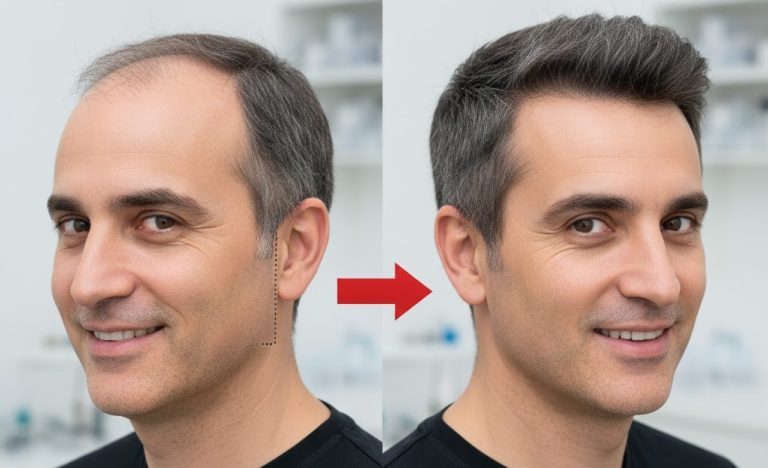
When medical therapies cannot reverse advanced miniaturization, surgical relocation of DHT-resistant follicles is the most viable solution. Within the framework of causes of hair loss and treatment methods, Direct Hair Implantation (DHI) stands out for its physiological benefits.
The use of the Choi Implanter Pen allows for a “closed-loop” surgical process. By minimizing the time the follicle spends outside the body, surgeons can maintain the cellular integrity of the graft. This is crucial because the “ischemia-reperfusion” injury—damage caused when blood flow returns to a follicle—is significantly reduced when the graft is handled with the precision that DHI offers. This method ensures that the transplanted hair not only grows but matches the density and angle of the surrounding native hair.
6. Scalp Micro-Inflammation and the Microbiome
Emerging research has highlighted the role of the scalp microbiome in hair health. An imbalance in the fungal and bacterial populations (dysbiosis) can lead to chronic micro-inflammation. This inflammation acts as a persistent stressor on the hair bulb, accelerating the transition into the telogen phase. Therefore, modern causes of hair loss and treatment methods often include the use of antifungal agents and prebiotic scalp serums to restore the microbiome’s balance, thereby reducing the inflammatory load on the follicles.
7. AI-Driven Diagnostics and Personalization
In 2026, the “one-size-fits-all” approach is obsolete. Using AI-driven trichoscopy, clinicians can now perform a digital “biopsy” of the scalp, measuring hair diameter diversity and follicular unit density with 99% accuracy. This data allows for the creation of a personalized “Hair Recovery Roadmap.” By simulating the potential outcomes of various causes of hair loss and treatment methods, patients can visualize their results before committing to a long-term treatment plan. This level of transparency and data-driven planning is the hallmark of modern hair restoration clinics.
8. Conclusion: A Holistic Scientific Paradigm
The journey to reclaiming hair density is no longer a matter of luck; it is a matter of science. By understanding the intricate causes of hair loss and treatment methods, from the genetic level to the latest in surgical DHI technology, patients can achieve results that were previously thought impossible. The key to success lies in a multi-disciplinary approach: blocking hormonal triggers, optimizing metabolic health, and utilizing high-precision surgical techniques when necessary. As we continue to push the boundaries of regenerative medicine, the future of hair restoration looks more promising than ever.