
Molecular Esthetics: The Synergistic Benefits of Herbs and Essential Oils in Beauty
The transition of the cosmetic industry into 2026 has been defined by a move toward “Precision Botanicals.” No longer viewed as simple home remedies, the benefits of herbs and essential oils in beauty are now being quantified through high-performance liquid chromatography (HPLC) and genomic testing. In this era of biotechnology, the focus is on how specific plant metabolites—such as terpenoids, sesquiterpenes, and phenolic acids—interact with the skin’s cellular receptors to induce targeted physiological changes.
By analyzing the synergistic relationship between traditional herbalism and modern dermatological science, we can uncover the profound mechanisms that allow these natural extracts to outperform synthetic alternatives in specific clinical scenarios.
1. The Stratum Corneum and Essential Oil Permeability
One of the most significant benefits of herbs and essential oils in beauty is their inherent ability to function as “penetration enhancers.” The skin’s primary function is to act as a barrier, often making it difficult for large-molecule synthetic creams to reach the deeper layers of the dermis. Essential oils, however, are composed of small, lipophilic molecules.
Compounds such as limonene (found in citrus) and 1,8-cineole (found in eucalyptus) have been scientifically shown to temporarily reorganize the lipid structure of the stratum corneum. This “opening of the gate” allows other active ingredients, such as herbal antioxidants or hyaluronic acid, to penetrate deeper into the skin. This dual-action approach—where the oil acts as both an active treatment and a delivery vehicle—is a cornerstone of high-end 2026 skincare formulations.
2. Herbs as Phyto-Pigment Regulators
Hyperpigmentation and melasma remain some of the most difficult skin conditions to treat. Traditional hydroquinone treatments can be harsh, leading to the search for botanical alternatives. The benefits of herbs and essential oils in beauty are particularly evident in the use of Glycyrrhiza glabra (Licorice Root).
Licorice root contains glabridin, a potent molecule that inhibits tyrosinase, the enzyme responsible for melanin production. When combined with essential oils like Helichrysum, which promotes cellular turnover, the result is a powerful brightening effect that is both non-toxic and highly effective. This phytochemical approach allows for the gradual fading of dark spots while simultaneously soothing the skin’s inflammatory response, preventing further pigmentation.
3. Anti-Glycation Properties of Herbal Polyphenols
As we age, a process called glycation occurs—where sugar molecules attach to collagen and elastin fibers, making them brittle and leading to sagging skin (Advanced Glycation End-products or AGEs). One of the lesser-known benefits of herbs and essential oils in beauty is their anti-glycation potential.
Herbs such as Melissa officinalis (Lemon Balm) and Salvia officinalis (Sage) are rich in carnosic acid and rosmarinic acid. These compounds interfere with the glycation process, protecting the structural proteins of the skin from becoming stiff. In clinical studies, regular application of these herbal extracts has been shown to maintain skin elasticity and “bounce,” providing a natural alternative to invasive anti-aging procedures.
4. Essential Oils and the Circadian Rhythm of the Skin
Recent dermatological research has highlighted that our skin cells follow a circadian rhythm—they focus on protection during the day and repair during the night. The benefits of herbs and essential oils in beauty are deeply tied to this biological clock.
Essential oils like Frankincense (Boswellia carteri) contain boswellic acids that have been shown to support DNA repair mechanisms that peak during sleep. By applying these botanical extracts at night, we can amplify the skin’s natural regenerative processes. During the day, herbs with high flavonoid content, such as Milk Thistle (Silybum marianum), provide a “biological shield” against UV-induced oxidative damage, working in harmony with the body’s natural defensive cycle.
5. Managing Sebum Production with Botanical Terpenes
For individuals struggling with oily or acne-prone skin, the benefits of herbs and essential oils in beauty offer a way to regulate sebum without stripping the skin of its essential moisture. Unlike harsh alcohols, essential oils like Juniperus communis (Juniper Berry) and Thymus vulgaris (Thyme) possess astringent properties that refine pores while providing antimicrobial benefits.
The terpene “thujopsene” found in certain wood oils has the unique ability to signal the sebaceous glands to slow down production. This “bio-feedback” mechanism is far more sophisticated than simply drying out the surface of the skin. By addressing the root cause of over-production, these botanical extracts help create a balanced, clear complexion over time.
6. The Phytochemistry of Scalp Rejuvenation
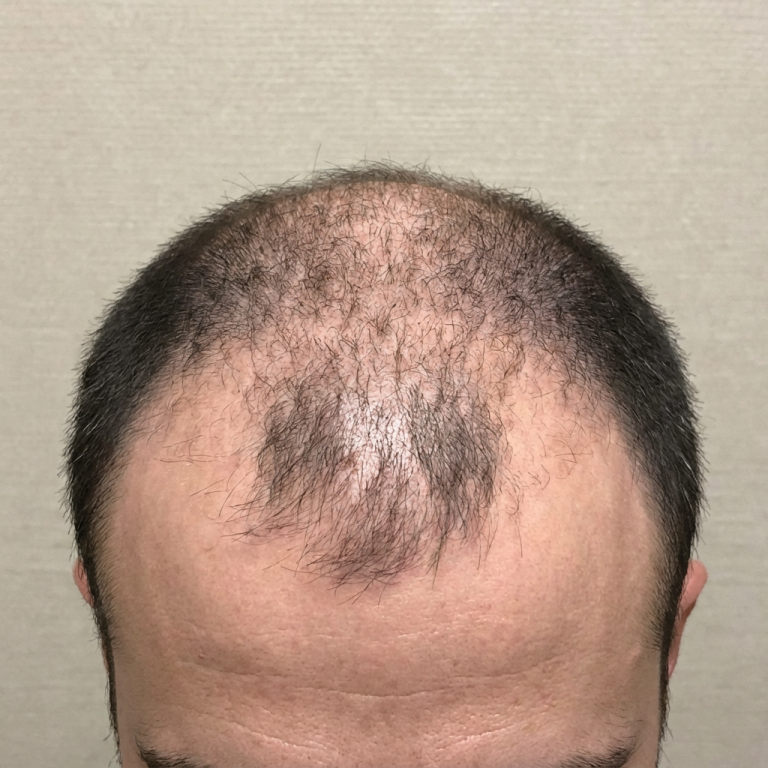
The hair is often considered the “crown of beauty,” and the health of the hair begins at the root. The benefits of herbs and essential oils in beauty extend to advanced trichology. A key player in 2026 is the use of Saw Palmetto extract combined with Peppermint essential oil.
Saw palmetto acts as a botanical DHT-blocker, while the menthol in peppermint oil increases the vascularity of the scalp. This combination ensures that the hair follicles stay in the anagen (growth) phase for as long as possible. For those experiencing thinning hair, these herbal interventions provide a clean, side-effect-free alternative to pharmaceutical foams, promoting thicker and more resilient hair growth through natural vasodilation.
7. Standardization and “Supercritical” Extraction
To truly harness the benefits of herbs and essential oils in beauty, the method of extraction is vital. In 2026, “Supercritical CO2 Extraction” has become the industry standard. This method uses pressurized carbon dioxide to pull the most delicate and potent molecules from the plant without using heat or chemical solvents.
This results in a “total extract” that contains the full spectrum of the plant’s healing power. When a beauty product uses these high-purity CO2 extracts, the concentration of active terpenes and phenols is significantly higher than in traditional steam-distilled oils. This ensures that the skin receives the maximum therapeutic dose, leading to faster and more visible results.
8. Conclusion: The Bio-Logical Revolution
The integration of nature and science has reached a point where the benefits of herbs and essential oils in beauty are undeniable. We are no longer guessing; we are measuring. By selecting specific botanical molecules that align with our skin’s unique needs, we can create a beauty ritual that is both high-tech and deeply rooted in the natural world.
The future of beauty is not synthetic—it is a sophisticated, standardized, and scientifically-proven botanical revolution. As we continue to decode the “secret language” of plants, our ability to achieve glowing, healthy, and youthful skin will only increase, proving that nature has always held the keys to our most radiant selves.