What is DHI Hair Transplant? The Comprehensive Guide to Modern Restoration
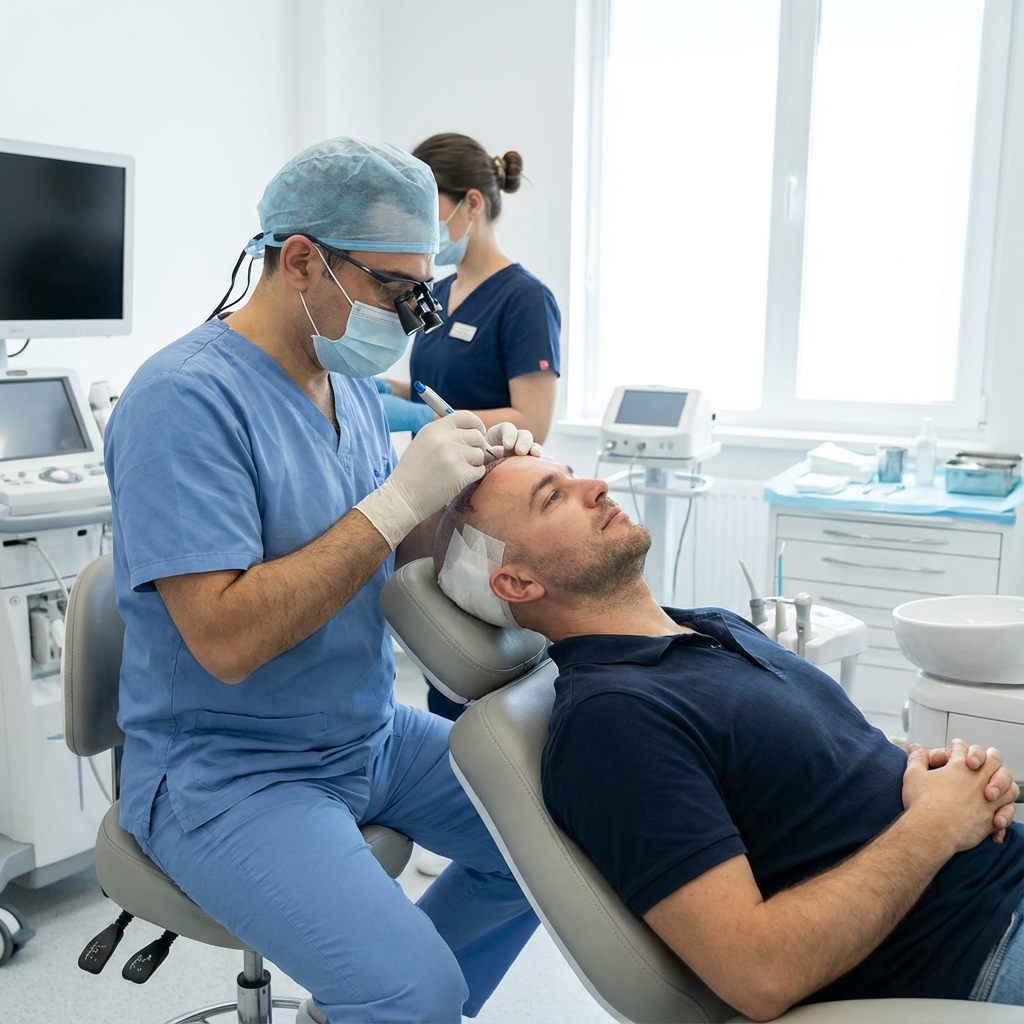
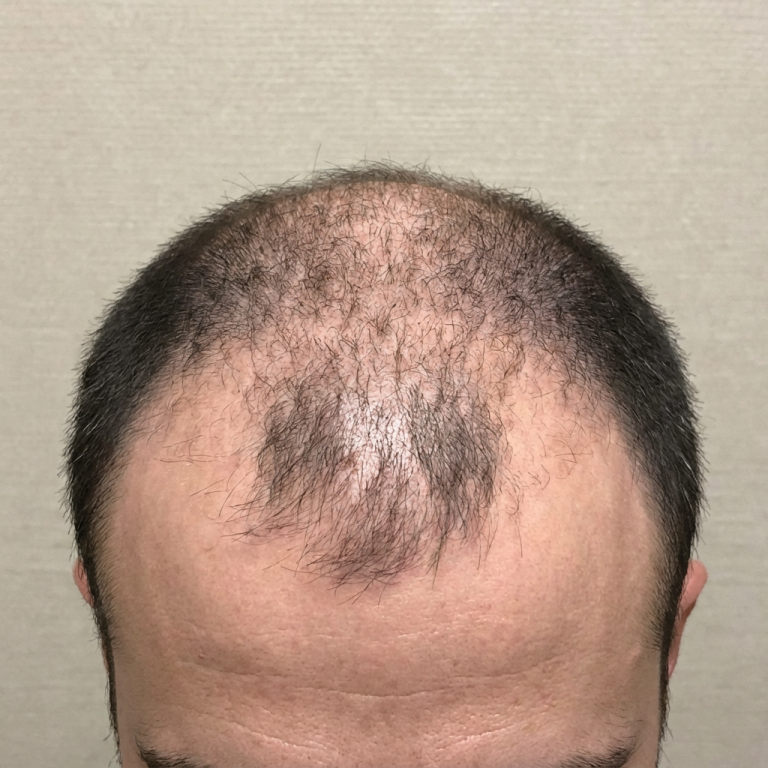
Hair loss can be a challenging experience, but the advancement of medical technology has paved the way for permanent and natural-looking solutions. Among these, one question stands out for international patients: What is DHI hair transplant? Direct Hair Implantation (DHI) has revolutionized the industry, offering a sophisticated alternative to traditional methods. In this guide, we will explore the technical details, the unique advantages, and why this procedure has become the “Gold Standard” for those seeking a flawless transformation.
Understanding the Technique: What is DHI Hair Transplant?
To answer “What is DHI hair transplant?”, we must look at how it differs from traditional methods like FUE. In a standard FUE (Follicular Unit Extraction) procedure, the surgeon must first open micro-channels in the scalp and then manually place the hair follicles into these slits.
DHI, however, is a more refined process. It eliminates the need for pre-cut channels. Instead, it uses a specialized medical tool known as the Choi Implanter Pen. This device allows the surgical team to extract, load, and implant hair follicles directly into the recipient area in a single, seamless motion.
The Step-by-Step Process of DHI
Understanding the meticulous nature of the procedure helps clarify why DHI is so effective.
1. Consultation and Hairline Mapping
The process begins with a detailed analysis of the donor area and the recipient site. Using advanced design principles, the surgeon maps out a hairline that matches your facial proportions and age.
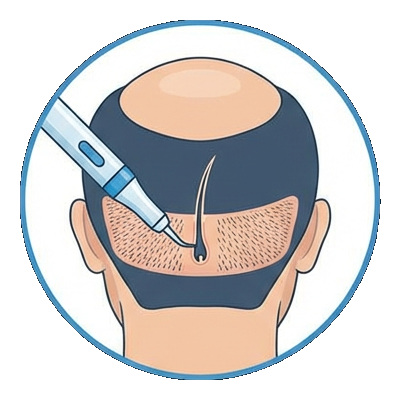
2. Extraction of Healthy Follicles
Under local anesthesia, individual hair follicles (grafts) are carefully removed from the donor area—usually the back of the head. These follicles are chosen for their strength and longevity.
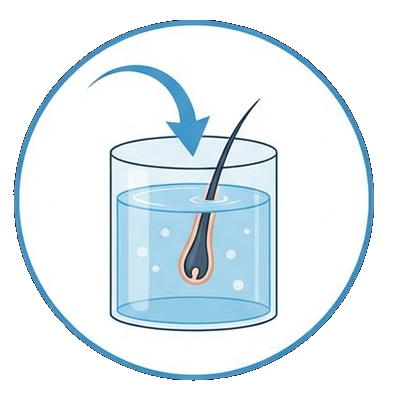
3. Loading the Choi Implanter
This is the defining step of DHI. Each harvested graft is loaded into the hollow needle of a Choi Pen. Because different hair types have different thicknesses, our clinic uses pens with various needle diameters (ranging from 0.6mm to 1.0mm) for absolute precision.
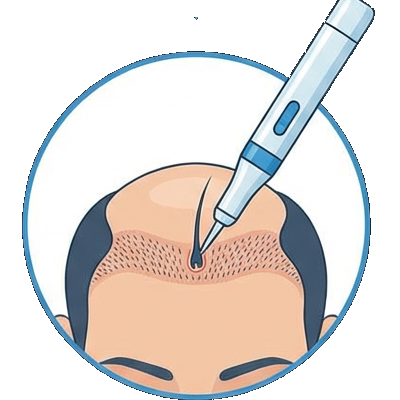
4. Direct Implantation
The surgeon uses the Choi Pen to insert the follicle directly into the scalp. With one click, the pen creates a tiny opening and places the graft at the same time. This allows for total control over the depth, direction, and angle (typically 40-45 degrees) of the hair growth.

Why Choose DHI? The Clinical Advantages
When patients ask “What is DHI hair transplant?”, they are usually interested in the specific benefits it offers. Here is why DHI is considered a premium service:
Higher Graft Survival Rate: Since the hair follicles spend very little time outside the body, they remain hydrated and healthy, ensuring a much higher survival and growth rate.
Maximum Hair Density: Because there are no pre-cut channels, grafts can be placed much closer together. This allows us to achieve a much higher density per square centimeter, resulting in a thicker, fuller look.
The “No-Shave” Advantage: DHI is the preferred method for individuals who do not want to shave their entire head. It is especially popular among women and professionals who want to keep their procedure discreet.
Reduced Trauma and Faster Healing: By combining the incision and implantation steps, DHI minimizes tissue damage. This leads to less bleeding, fewer scabs, and a significantly faster recovery period compared to traditional methods.
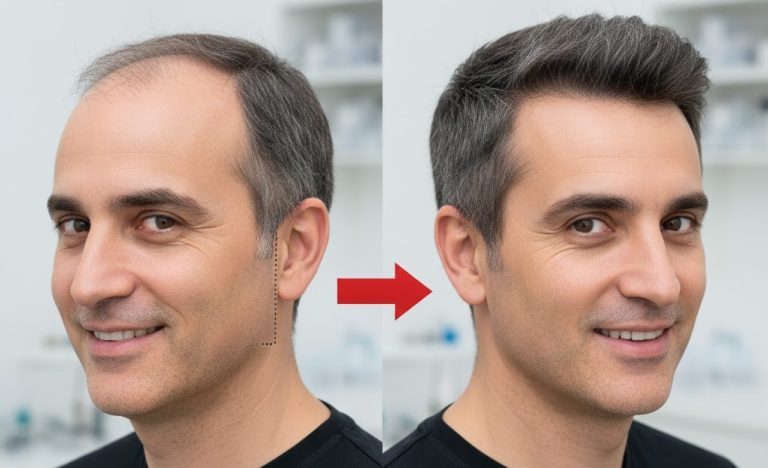
Superior Natural Results: By precisely controlling the exit angle of each hair, the surgeon can perfectly mimic your natural hair growth pattern. Once the hair grows out, it is virtually impossible to tell that a transplant took place.
DHI vs. Traditional FUE: Which is Better?
While both techniques are effective, the choice depends on the patient’s goals. Traditional FUE or Sapphire FUE is often used for covering very large bald areas in a single session. However, DHI hair transplant is the superior choice for those who:
- Need a high-density frontal hairline.
- Want to fill in thinning areas without damaging existing hair.
- Prefer a faster recovery with no need to shave the head.
Life After DHI: What to Expect During Recovery
Understanding the “What is DHI hair transplant?” question also involves knowing the aftercare. Because DHI is minimally invasive, the recovery is generally smooth:
- Days 1-3: You may experience minor redness. The first professional wash is usually done at our clinic on day two.
- Days 7-10: Most scabs will have fallen off, and you can return to most of your normal activities.
- Months 1-3: You will experience “shock loss,” where the transplanted hairs fall out to make way for new, permanent growth.
- Months 6-12: You will see significant new growth, with full results visible around the one-year mark.
Conclusion: A Permanent Investment in Yourself
What is DHI hair transplant? It is the perfect synergy of medical innovation and surgical expertise. It is a procedure that prioritizes the patient’s comfort, privacy, and long-term aesthetic success.
At our clinic, we specialize in the DHI technique, ensuring that every graft is placed with the utmost care to give you the natural, dense hair you deserve. If you are ready to put an end to hair loss and reclaim your confidence, DHI is the modern solution you have been looking for.